
Artemis II Hits the Repair Bay
NASA's Artemis II lunar rocket and Orion spacecraft rolled into the Vehicle Assembly Building on February 25, and technicians immediately went to work on a helium system malfunction that emerged during a recent test firing. Engineers traced the problem to the rocket's interim cryogenic propulsion system (ICPS) — the upper stage responsible for pushing the spacecraft toward the Moon — narrowing suspects to either a quick-disconnect seal or a check valve on the helium supply line.
The issue surfaced during a wet dress rehearsal on February 21, when engineers were reconfiguring the rocket following a successful test. The helium system failure meant the upper stage couldn't be properly pressurized and conditioned for flight, a critical prerequisite before any Moon mission can launch. With an April launch window already on the calendar, the clock is ticking — but NASA engineers insist the timeline remains achievable if repairs proceed cleanly.
Why Helium Matters to Moon Missions
To non-engineers, helium might sound like party balloon filler. In reality, it's mission-critical infrastructure. The ICPS uses helium to maintain proper internal environmental conditions and to pressurize the upper stage tank for flight. Without adequate helium flow and pressure, the stage cannot function reliably once in space. The system connects through two umbilical interfaces: a forward plate (smaller) carrying liquid hydrogen vent and environmental control lines, and an aft plate (larger) supplying both liquid hydrogen and liquid oxygen, plus the helium quick-disconnect that's now suspect.
The repair scope extends beyond just the helium problem. Teams are installing two sets of internal access platforms inside the launch vehicle stage adapter and removing thermal blankets to reach the problematic connection points. It's painstaking work — the kind that requires careful choreography and zero tolerance for error.
Parallel Work Maximizes Schedule Efficiency
While technicians tackle the helium issue, other crews are executing complementary repairs in parallel. NASA engineers have optimized the Vehicle Assembly Building work schedule to install new batteries across the SLS core stage, upper stage, and solid rocket boosters. The team will also retest the flight termination system — the rocket's safety kill switches — alongside avionics and control systems verification. The Orion spacecraft's launch abort system batteries will be recharged, and crews may refresh stowed items in the crew module.
This multi-workstream approach is standard practice for large-scale vehicle processing, but it only works if the primary repair — in this case, the helium system fix — doesn't cascade into secondary problems. NASA has budgeted flexibility into the timeline, but each discovered issue compounds schedule risk.
The April Window and Beyond
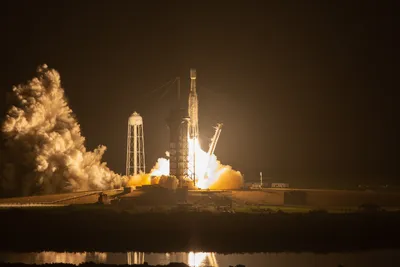
NASA has publicly committed to an April launch opportunity for Artemis II, pending successful completion of data reviews, repairs, and system retests. The rocket will need to roll back to Launch Pad 39B in time to meet that window. If repairs extend beyond a few weeks, or if the investigation uncovers additional issues with the ICPS, the launch could slip to later availability windows.
The Artemis II mission represents a crucial stepping stone for the broader lunar program — a crewed test flight of the SLS and Orion before the actual Moon landing attempt. Any delay ripples through the entire architecture. Yet rushing repairs on a vehicle bound for human spaceflight is never the answer. NASA will move methodically through diagnostics and fixes. The real deadline isn't April; it's mission success.