Artemis II Pushed to April After Fresh Technical Hiccup
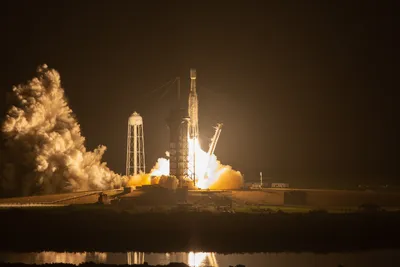
NASA is preparing to roll back its Space Launch System rocket and Orion spacecraft from Launch Pad 39B at Kennedy Space Center after discovering a helium flow interruption in the vehicle's upper stage. The issue emerged overnight on February 21, 2026—less than 24 hours after the agency announced a March 6 launch target for Artemis II, the crewed lunar mission that represents humanity's return to the Moon. The delay now points to April as the earliest viable launch window, assuming engineers can swiftly diagnose and repair the problem.
The culprit is the Interim Cryogenic Propulsion Stage (ICPS), the SLS rocket's upper stage derived from Delta IV technology. During routine repressurization operations last evening, ground teams lost helium flow to the system—a critical failure for a vehicle designed to reach lunar orbit. NASA Administrator Jared Isaacman announced the rollback decision with unusual speed and transparency, signaling the agency's commitment to public accountability even as engineers scrambled through the night.
Why This Matters Now
The timing is brutal. Artemis II represents the first crewed test of SLS and Orion, a mission already delayed multiple years due to supply chain issues, hydrogen leaks, and weather disruptions. A March launch was always aggressive; announcing it before the Flight Readiness Review—NASA's formal gate for mission approval—was even more unusual. That aggressive posture, driven partly by newly appointed Administrator Isaacman's push for pace, now collides with hard engineering reality.
The rollback itself is not uncommon in spaceflight, but it is expensive and time-consuming. The SLS stack must travel roughly 3.4 miles from the launch pad back to the Vehicle Assembly Building, a journey along the crawlerway that takes days and requires multiple teams of engineers. Once inside the VAB, technicians can rotate platform systems around the rocket stack to access every component—access simply unavailable at the pad.
The Root Cause Mystery
NASA engineers are investigating three prime suspects: a clogged final filter on the umbilical connection between ground systems and the vehicle, a failed quick-disconnect interface on the umbilical itself (where issues have occurred before), or a malfunctioning check valve onboard the rocket. Eerily, the signature resembles a problem encountered during the uncrewed Artemis I mission in 2022. Despite corrective measures implemented since then, cryogenic systems continue to present challenges in the extreme environment of the launch pad.
The helium system serves a vital dual role: it purges residual gases from engines before ignition and pressurizes both the liquid hydrogen and liquid oxygen tanks during ascent. The fact that the system performed flawlessly during two full-scale Wet Dress Rehearsals makes this failure especially vexing. Something changed between the second WDR and the routine repressurization check—a reminder that spaceflight complexity still outwits even the most meticulous planning.
What's Next
The vehicle remains safe, supported temporarily by ground-based environmental control systems instead of onboard helium. NASA will provide an update within the coming week on repair timelines and rollback requirements. If a rollback proceeds, return to the pad will likely require at least a mini-WDR or tanking test to confirm that the journey up and down the crawlerway didn't damage critical systems like the liquid hydrogen tail service mast umbilical—which itself required redesign after the second WDR. April remains viable only if diagnostics accelerate and repairs execute cleanly. Any additional surprises push into summer 2026.