NASA Attempts Redemption on Artemis II Wet Dress Rehearsal
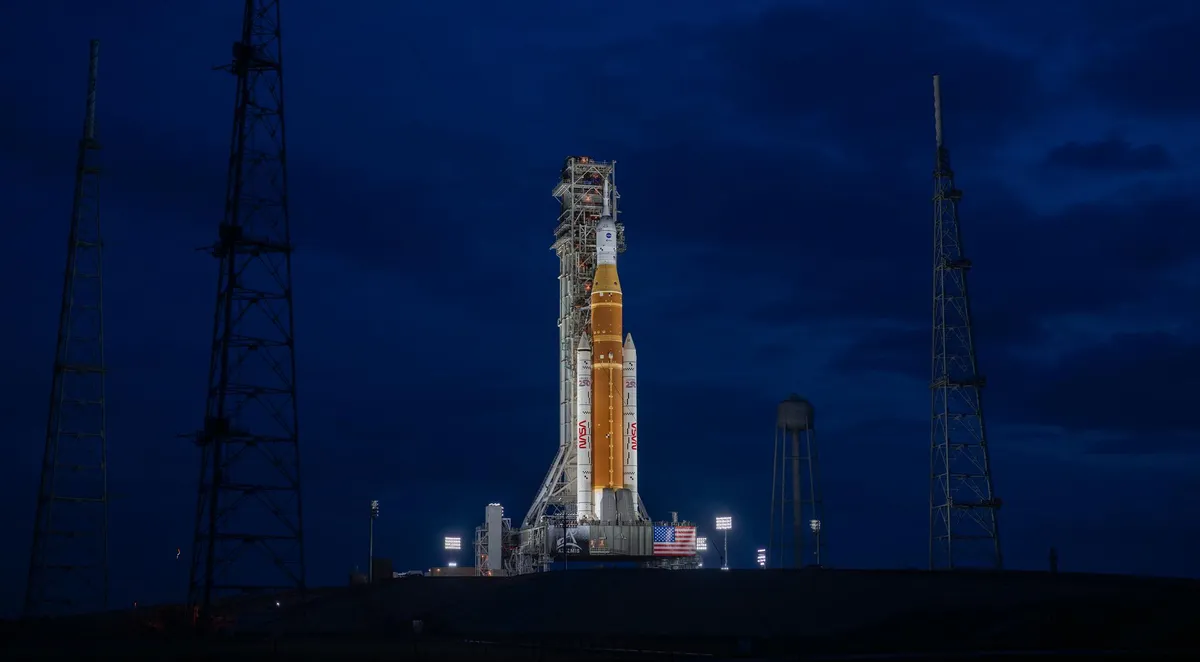
NASA is rolling the dice again. On Thursday, February 19, the space agency will attempt its second "wet dress rehearsal" for the Artemis II rocket — a critical fueling test that derailed spectacularly just 17 days earlier when engineers were minutes away from a simulated launch.
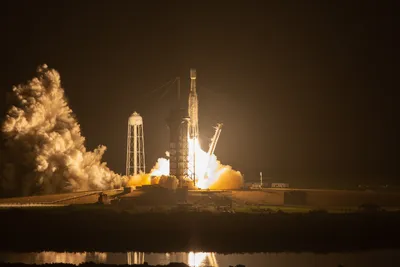
The first rehearsal on February 2 came to an abrupt halt with roughly five minutes remaining on the countdown clock. As NASA finished loading more than 700,000 gallons of cryogenic propellant into the Space Launch System (SLS) rocket, sensors detected a spike in the liquid hydrogen leak rate. The ground launch sequencer — an automated software system controlling the entire countdown — made the call to halt proceedings. Investigation traced the culprit to two faulty seals on the fueling lines, which NASA engineers have since replaced.
But problems kept compounding. A confidence test on February 12 stumbled when hydrogen flow to the rocket was mysteriously reduced. Engineers identified a suspect filter and swapped it out. NASA Administrator Jared Isaacman acknowledged the frustration in a statement, but framed the challenges as part of the program's learning curve: "Considering the issues observed during the lead-up to Artemis I, and the long duration between missions, we should not be surprised there are challenges entering the Artemis II campaign."
A Historic Mission Worth Getting Right
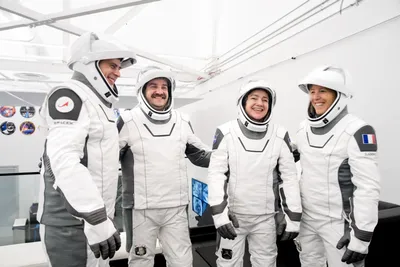
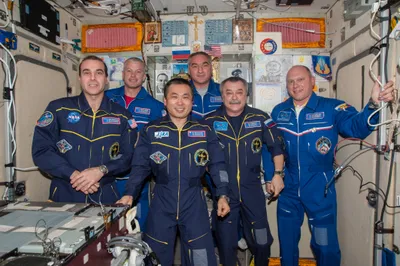
What's at stake here isn't just another test launch. Artemis II represents NASA's return to human lunar spaceflight after more than five decades — a mission that will carry four astronauts on a 10-day journey around the moon. For the first time in history, a woman and a Black man will fly as part of a lunar crew. Success here opens the door to Artemis III, which aims to land boots on the lunar surface in 2028, establishing humanity's long-term foothold for eventual Mars exploration.
The delays sting, but they're not unprecedented. The original Artemis I mission faced similar hydrogen gremlins in 2022, requiring the rocket to return to the Vehicle Assembly Building twice before finally launching in November of that year. Those lessons should theoretically apply here — yet liquid hydrogen remains one of spaceflight's most stubborn adversaries.
Why Hydrogen Is Both Essential and Infuriating
Hydrogen has powered rockets since Apollo, offering unmatched energy density. But it's also the universal trickster of propellants. At minus 423 degrees Fahrenheit (20 kelvins), hydrogen becomes a liquid small enough to diffuse through solid metals by working its way between atomic lattices — essentially passing through what should be solid barriers. Paradoxically, the extreme cold required to keep hydrogen liquid also freezes the seals meant to contain it, creating a Catch-22 that has frustrated engineers for generations.
During the first rehearsal, NASA engineers also contended with audio communications dropouts, a replaced valve on the Orion crew capsule that malfunctioned, and another hydrogen leak attributed to cold weather. Some components had to be warmed to restore functionality. These cascading failures paint a picture of a system operating at the edge of its environmental envelope.
What Comes Next
If Thursday's wet dress rehearsal succeeds — demonstrating safe fueling of the full propellant load, closure of all Orion spacecraft hatches, and a clean simulated launch sequence — NASA will proceed to a flight-readiness review. Launch windows currently sit in March (March 6-9 or March 11), with April 30 as the hard deadline if slippage occurs.
For now, the countdown clock is running again. NASA has one shot to prove the fixes hold.